By clicking “Accept All Cookies”, you agree to the storing of cookies on your device to enhance site navigation, analyze site usage, and assist in our marketing efforts. View our Privacy Policy for more information.
Creatine for Teen Athletes: What the Research Actually Says
Creatine Use for Teen Athletes
By
December 5, 2025
Related
International Society of Sports Nutrition position stand: safety and efficacy of creatine supplementation in exercise, sport, and medicine

Effects of Creatine Supplementation and Resistance Training on Muscle Strength Gains in Adults <50 Years of Age: A Systematic Review and Meta-Analysis
Creatine Supplementation in Children and Adolescents
Effects of Creatine Supplementation on Renal Function: A Systematic Review and Meta-Analysis
Creatine for Teen Athletes: What the Research Actually Says
One of the most common questions I get from parents and athletes about supplementation is the safety and use of creatine. So let’s clear things up — what it does, what the research says, and how to use it the right way.
What Creatine Does
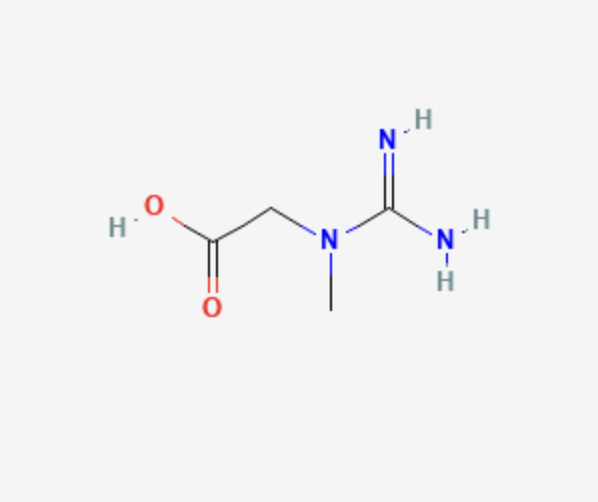
Creatine is a naturally produced compound stored in the human body that helps regenerate ATP — the main energy source for your cells. It increases stored phosphocreatine in the muscles, which allows you to replenish ATP faster.
By regenerating ATP more efficiently, you can produce more power during short, explosive movements like sprinting, jumping, and lifting. Over time, this leads to improved force production, better training output, and increased lean muscle mass for athletes.
Think of creatine as adding a few more reps to the tank — it doesn’t replace effort, it just lets you sustain higher-quality work.
📚 (1)(2)
Is It Safe for Teen Athletes?
Creatine is one of the most researched supplements in sports performance — with decades of studies showing it’s safe and effective. Research that includes adolescent athletes has shown no serious side effects when used properly.
A common myth is that creatine damages the kidneys. This has been repeatedly disproven. Studies tracking long-term use (5+ years) show normal kidney and liver function in healthy users.
Interestingly, newer studies suggest creatine may even support brain health and concussion recovery — making it one of the few supplements with both performance and potential health benefits.
When choosing a product, look for third-party tested options like NSF Certified for Sport® to ensure purity and safety. You can check the NSF for Sport database to confirm if a product is certified.
📚 (3)(4)(5)(6)
How to Use It the Right Way
Creatine use is simple. Start with creatine monohydrate — it’s the most studied and effective form.
Take 3–5 grams per day with food or a shake. I usually toss mine into a bottle of water with an electrolyte packet in the morning with breakfast. Make sure to stay hydrated — water helps with absorption and supports muscle function.
Some brands recommend a “loading phase,” but that’s not necessary. The key is consistency — results come after 3–4 weeks of daily use once your muscle stores are fully saturated.
📚 (1)(2)
What Parents Should Know
As with any supplement, creatine is not a steroid and it’s not a shortcut. No supplement will ever replace consistent training, solid nutrition, and quality recovery (especially sleep).
I only recommend creatine to serious high school athletes who already train consistently, eat well, and want to maximize their performance safely.
Always choose products that are NSF Certified for Sport® or other verified third-party tested brands. This ensures the product is free from banned substances and safe for athletes in regulated sports.
📚 (7)
The Bottom Line
Creatine is safe, effective, and supported by decades of research. When combined with proper training, nutrition, and recovery, it can help athletes improve strength, power, and overall performance.
Be consistent, use responsibly, and when in doubt, talk with a qualified strength coach, sports dietitian, or healthcare professional before starting.
Want help dialing in your training and nutrition?
At ARES Strength & Performance, every program is built on evidence-based training, real results, and long-term athlete development.
🔗 Book a consultation to get started.
References
- Kreider, R. B. et al. (2017). International Society of Sports Nutrition Position Stand: Safety and Efficacy of Creatine Supplementation in Exercise, Sport, and Medicine. Journal of the ISSN.
- Candow, D. G. et al. (2024). Meta-Analysis: Effects of Creatine on Strength and Lean Mass Gains. Nutrients.
- Jagim, A. R. et al. (2021). Creatine Supplementation in Children and Adolescents: A Review. Nutrients.
- Forbes, S. C. et al. (2025). Creatine Supplementation and Renal Function: A Systematic Review and Meta-Analysis. Sports Medicine.
- Poortmans, J. R., & Francaux, M. (1999). Long-Term Creatine Supplementation Does Not Impair Renal Function. Medicine & Science in Sports & Exercise.
- Rawson, E. S., et al. (2018). Creatine Supplementation and Brain Health. Frontiers in Nutrition.
- U.S. Anti-Doping Agency (USADA). Supplement Safety and Third-Party Certification Guidance. (2024).