By clicking “Accept All Cookies”, you agree to the storing of cookies on your device to enhance site navigation, analyze site usage, and assist in our marketing efforts. View our Privacy Policy for more information.
Sleep for Teen Athletes: The Most Overlooked Performance Tool
Sleep is one of the biggest drivers of athletic performance, recovery, and injury reduction. Learn how much teen athletes need and simple habits to improve results.
By
February 4, 2026

Sleep for Teen Athletes: The Low-Hanging Fruit Many Miss Out On
Why This Matters
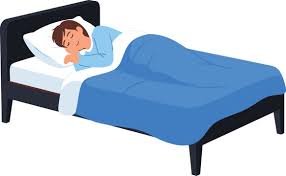
You can train as hard as you want, but real progress happens with recovery — and the best way to recover is making sure you get enough sleep.
If you’re an athlete who isn’t sleeping enough, you are leaving progress on the table.
What Sleep Actually Does for Athletes
The adaptations you’re chasing in training are not happening in the gym — they’re happening in what you do before and after.
Sleep is not just rest. While you are sleeping, the body is getting better.
During sleep, your body goes through:
- Muscle repair and tissue recovery
- Hormone regulation
- Better learning and skill retention
- Nervous system recovery
- Immune system support
These are all vital in creating a well-rounded athlete.
Performance: Sleep Directly Impacts Speed, Strength, and Skill
Sleep — or lack of it — has a direct impact on:
- Sprint performance
- Reaction time
- Accuracy and decision-making
- Daily training readiness
If you are under-sleeping, all of these areas are shown to decrease and hinder performance.
If there was a magic pill that improved all of these things, I guarantee everyone would be taking it.
The magic pill is sufficient sleep.
Recovery and Injury Risk: The Missing Link
Athletes who under-sleep have been shown to face a higher risk of injury.
Injuries commonly happen when you are worn down.
Poor sleep leads to:
- Slower tissue recovery
- Higher fatigue levels
- Lower tolerance to training loads
In fact, one study found that adolescent athletes sleeping fewer than 8 hours per night were significantly more likely to get injured compared to those consistently sleeping 8 or more hours (Milewski et al., 2014).
This means your body will be underprepared to handle the intensity of training necessary to improve.
How Much Sleep Do Teen Athletes Actually Need?
Most teenage athletes need 8–10 hours of sleep per night.
While we understand the crazy schedules caused by school, practices, homework, and family obligations, the requirement does not change.
It is important to make every effort to hit these standards consistently.
The Most Common Sleep Mistakes Athletes Make
Common mistakes that are important to catch early in teenage athletes include:
- Going to bed at different times every night
- Trying to “catch up” on sleep on the weekends
- Screen time right before bed
- Caffeine late in the day
- Thinking you can out-train poor recovery
Simple Sleep Habits That Actually Work (Athlete Edition)
Sleep is a skill — and it requires a consistent routine.
Here are simple habits that make a big difference:
- Keep the same bedtime and wake time most days
- Put your phone away 30–60 minutes before bed
- Sleep in a cool, dark room
- Get morning sunlight exposure
- Take a short nap (20–30 minutes) if needed
- Avoid caffeine after early afternoon
Caffeine has a half-life of about 8 hours, meaning you should avoid intake within 8 hours of planned sleep time.
The ARES Standard: Train Hard, Recover Harder
At ARES, we care about well-rounded athletes and long-term development.
Yes, you can come in and train hard for an hour — but what you do in the other 23 hours matters even more when it comes to reaching your goals.
If your athlete is serious about performance, sleep isn’t optional — it’s part of training.
Takeaway Summary (Quick Hits)
- Sleep drives performance
- Recovery is where adaptation happens
- Teen athletes need more sleep than they think
- Consistency beats perfection
Want Help Dialing In Your Training and Recovery?
At ARES Strength & Performance, every program is built on evidence-based training, real results, and long-term athlete development.
Book a consultation to get started:
🔗 Book a consultation to get started:
Resources & References
- Hirshkowitz et al. (2015). National Sleep Foundation’s sleep time duration recommendations. Sleep Health.
- Milewski et al. (2014). Chronic lack of sleep is associated with increased sports injuries in adolescent athletes. Journal of Pediatric Orthopaedics.
- Mah et al. (2011). The effects of sleep extension on the athletic performance of collegiate basketball players. Sleep.
- Watson (2017). Sleep and athletic performance. Current Sports Medicine Reports.
Walsh et al. (2021). Sleep and the athlete: narrative review and consensus recommendations. British Journal of Sports Medicine.