By clicking “Accept All Cookies”, you agree to the storing of cookies on your device to enhance site navigation, analyze site usage, and assist in our marketing efforts. View our Privacy Policy for more information.
How to Eat Like an Athlete: Fuel, Recovery, and the Basics That Matter
Simple, balanced nutrition habits can improve energy, recovery, and performance. Learn how teen athletes should eat to support training and long-term development.
By
February 15, 2026

How to Eat Like an Athlete: Fuel, Recovery, and the Basics That Matter
Why This Matters
Most athletes focus on practice, strength training, and skills work.
But many overlook one of the biggest performance factors: daily nutrition habits.
You don’t need a complicated diet or a spreadsheet of macros to eat like an athlete. What most athletes actually need is consistent, balanced meals that support the amount of training they’re doing.
The problem is, many teen athletes are either under-eating, skipping meals, or not getting the right mix of nutrients to support performance and recovery.
Food Is Fuel for Training and Performance
Athletes need more fuel than you may think
They:
- Train multiple days per week
- Practice at high intensities
- Compete under fatigue
- Need to recover between sessions
That means their bodies require consistent fuel, not random meals or snack-based diets.
Nutrition directly affects:
- Energy in practice
- Strength and power development
- Recovery between sessions
- Injury risk
- Long-term athletic development
If an athlete isn’t fueling properly, performance and progress will suffer.
Carbohydrates: The Main Fuel for Hard Training
Carbohydrates are the body’s primary fuel source for:
- Sprinting
- Lifting
- Change of direction
- High-intensity practice
- Games and competitions
When athletes don’t eat enough carbohydrates:
- Energy drops
- Performance decreases
- Recovery slows down
- Strength and speed gains stall
Carbs are not the enemy for athletes. They are the gas in the tank.
Most teen athletes are not overeating carbs — they’re under-eating them.
Protein: The Building Block for Strength and Recovery
While carbs provide the fuel, protein provides the building blocks.
Protein supports:
- Muscle repair
- Strength gains
- Recovery between sessions
- Overall growth and development
A simple rule for most teen athletes:
Include a protein source at every meal.
Examples include:
- Eggs
- Chicken
- Beef
- Fish
- Yogurt
- Milk
- Beans
Consistent protein intake throughout the day matters more than any single shake or supplement.
The Biggest Nutrition Mistakes Teen Athletes Make
Some of the most common patterns we see:
- Skipping breakfast
- Small lunches with little protein or carbs
- Long gaps between meals
- No food before practice
- Not eating after training
- Living on snacks instead of real meals
Most of these habits lead to low overall fuel intake, which makes it harder to train and recover.
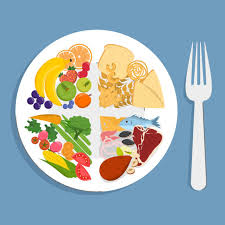
The Athlete Plate: A Simple Way to Build Meals
Instead of counting macros, most athletes can follow a simple plate model.
For field and court sport athletes, meals should generally look like this:
Half the plate: Carbohydrates
- Rice
- Pasta
- Potatoes
- Bread
- Oats
- Fruit
Quarter of the plate: Protein
- Meat
- Eggs
- Dairy
- Beans
Quarter of the plate: Fruits or vegetables
If your plate is mostly protein and vegetables with almost no carbs, you’re probably under-fueling for your sport.
What a Day of Eating Like an Athlete Might Look Like
This doesn’t need to be complicated.
Breakfast
- Eggs or yogurt
- Oatmeal or toast
- Fruit
Lunch
- Sandwich, wrap, or rice bowl
- Lean protein
- Fruit or vegetables
Pre-practice snack
- Banana
- Granola bar
- Yogurt
- Bagel or toast
Dinner
- Meat, fish, or beans
- Rice, pasta, or potatoes
- Vegetables
The key is consistency and balance across the day.
Hydration: The Hidden Performance Factor
Even mild dehydration can negatively affect:
- Endurance
- Strength
- Reaction time
- Focus
A simple rule:
- Drink water throughout the day
- Show up to practice hydrated
- Replace fluids after training
Energy drinks and pre-workouts are not substitutes for proper hydration.
Recovery Nutrition: What to Eat After Training
After hard training, the body needs:
- Carbohydrates to refill energy stores
- Protein to repair muscle
Without enough food after training:
- Recovery slows down
- Next-day performance drops
- Fatigue builds up
- Injury risk increases
A simple rule:
After practice or lifting, athletes should eat a meal or snack that includes both carbs and protein.
The Ares Standard: Train Hard, Fuel Hard
At Ares, we don’t just focus on what happens in the weight room.
We help athletes build habits that support performance, recovery, and long-term development.
If an athlete is serious about getting stronger, faster, and more resilient, proper fueling has to be part of the process.
Takeaway Summary
- Athletes need consistent fuel, not random meals
- Carbs are the main fuel for performance
- Every meal should include a protein source
- Hydration matters for performance and recovery
- Consistent habits beat perfect diets
Want Help Dialing In Your Training and Nutrition?
At ARES Strength & Performance, every program is built on evidence-based training, real results, and long-term athlete development.
Book a consultation to get started:
🔗 Book a consultation to get started:
Resources & References
- Thomas, Erdman, & Burke (2016). Nutrition and Athletic Performance.
- Burke et al. (2011). Carbohydrates for training and competition.
- Desbrow et al. (2014). Sports nutrition for the adolescent athlete.
Kerksick et al. (2018). ISSN position stand: Nutrient timing.