By clicking “Accept All Cookies”, you agree to the storing of cookies on your device to enhance site navigation, analyze site usage, and assist in our marketing efforts. View our Privacy Policy for more information.
Sport Specific Training?
Most young athletes don’t need flashy sport specific drills. Learn what actually improves performance in the weight room.
By
February 20, 2026


Sport Specific Training?
“Sport specific training” gets thrown around constantly, especially on social media.
You’ll see flashy drills, resistance bands, and movements that look just like what happens on the field. It looks impressive — but it often misses the point of what strength and conditioning is supposed to do.
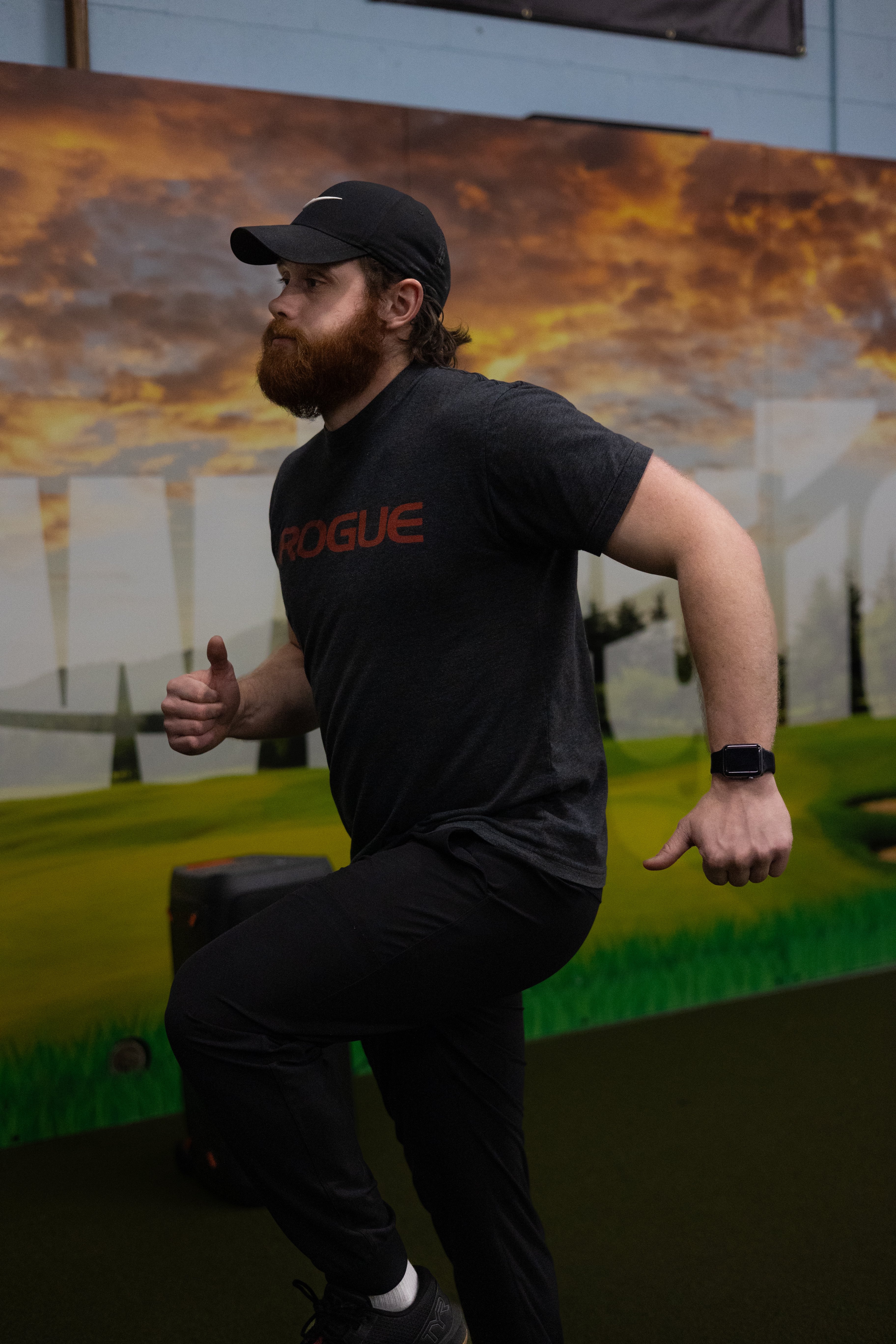
For most middle school and high school athletes, the majority of sport-specific work should be happening at practice — not in the weight room.
Research on long-term athletic development consistently shows that young athletes benefit most from building broad physical qualities before specializing too early.
What Most People Think Sport Specific Training Is
When most parents or athletes hear “sport specific,” they picture:
- Movements that look like the sport
- Drills that mimic game situations
- Fancy footwork patterns
- Social media-style workouts
But the weight room is not supposed to look exactly like the sport.
Trying to copy game movements in the weight room often leads to:
- Random workouts
- Flashy exercises
- Poor progression
- Limited strength development
Looking like the sport is not the same as improving performance in the sport.
What Most Young Athletes Actually Need
For middle school and most high school athletes, the physical demands are very similar across sports.
They need more:
- General physical preparation
- Work capacity
- Strength
- Power
- Movement quality
At that stage, it should be difficult to determine which sport an athlete plays just by looking at their program.
Because the physical base is largely the same.
Position statements from the NSCA and youth development models emphasize that strength, coordination, and movement competency drive long-term performance across sports.
The Biggest Mistake With “Sport Specific” Programs
The biggest issue is when training starts to look too much like practice.
Common problems include:
- Random workouts with no progression
- Flashy movements that look cool but don’t build real strength
- Skill-style drills replacing foundational strength work
What should be happening at practice ends up in the weight room, and the physical development that should happen in the weight room gets neglected.
The Difference Between Practice and Training
The weight room is where you:
- Build strength
- Improve movement quality
- Develop power
- Increase work capacity
- Prepare the body for the demands of the sport
Practice is where you:
- Develop sport skills
- Learn tactics
- React to game situations
- Handle sport-specific demands
It is extremely difficult to replicate true game speed and decision-making in the weight room. That’s why training and practice serve different purposes.
Both are important — but they are not the same.
When Does Training Become More Sport Specific?
This depends on:
- The athlete’s level
- Their movement quality
- Their strength base
- Their competitive goals
As athletes advance, programming can shift emphasis toward qualities that matter more for their sport.
But general strength and physical development never disappear.
The basics continue to drive performance at every level.
The Ares Approach
At Ares, the focus is on building the athlete first.
That means:
- Clean movement patterns
- Progressive strength development
- Power and speed training
- Improved work capacity
We don’t chase gimmicks or flashy drills just because they look like a sport.
Because strong, fast, resilient athletes are built to train their sport and skills at a higher level.
Takeaway Summary
- Most sport-specific work should happen at practice
- The weight room builds strength, power, and capacity
- Young athletes across sports need similar physical development
- Flashy drills don’t replace progressive strength training
- Strong, fast, resilient athletes perform better in any sport
Want Help With Your Athlete’s Training?
At Ares Strength & Performance, every program is built on evidence-based training, real results, and long-term athlete development.
Book a consultation to get started:
🔗 Book a consultation to get started:
Resources & References
- Lloyd & Oliver (2012). The Youth Physical Development Model.
- Lloyd et al. (2016). NSCA Position Statement on Long-Term Athletic Development.
- Faigenbaum et al. (2009). Youth Resistance Training Position Statement.
- NSCA Essentials of Strength and Conditioning.